


Choosing the Best Time to Visit Istria
 5 min
5 minThere isn’t one single best time to visit Istria, and that’s exactly what makes it such a great destination. The peninsula changes noticeably with the seasons, and each part of the year brings a slightly different rhythm, mood, and way of experiencing it.
Are you chasing warmth and energy, or space and calm? Do you want your days full and lively, or unhurried and flexible? The best time to visit Istria really depends on how you like to travel. Below, we break down what Istria is like throughout the year, so you can choose the season that fits you best.
Spring in Istria
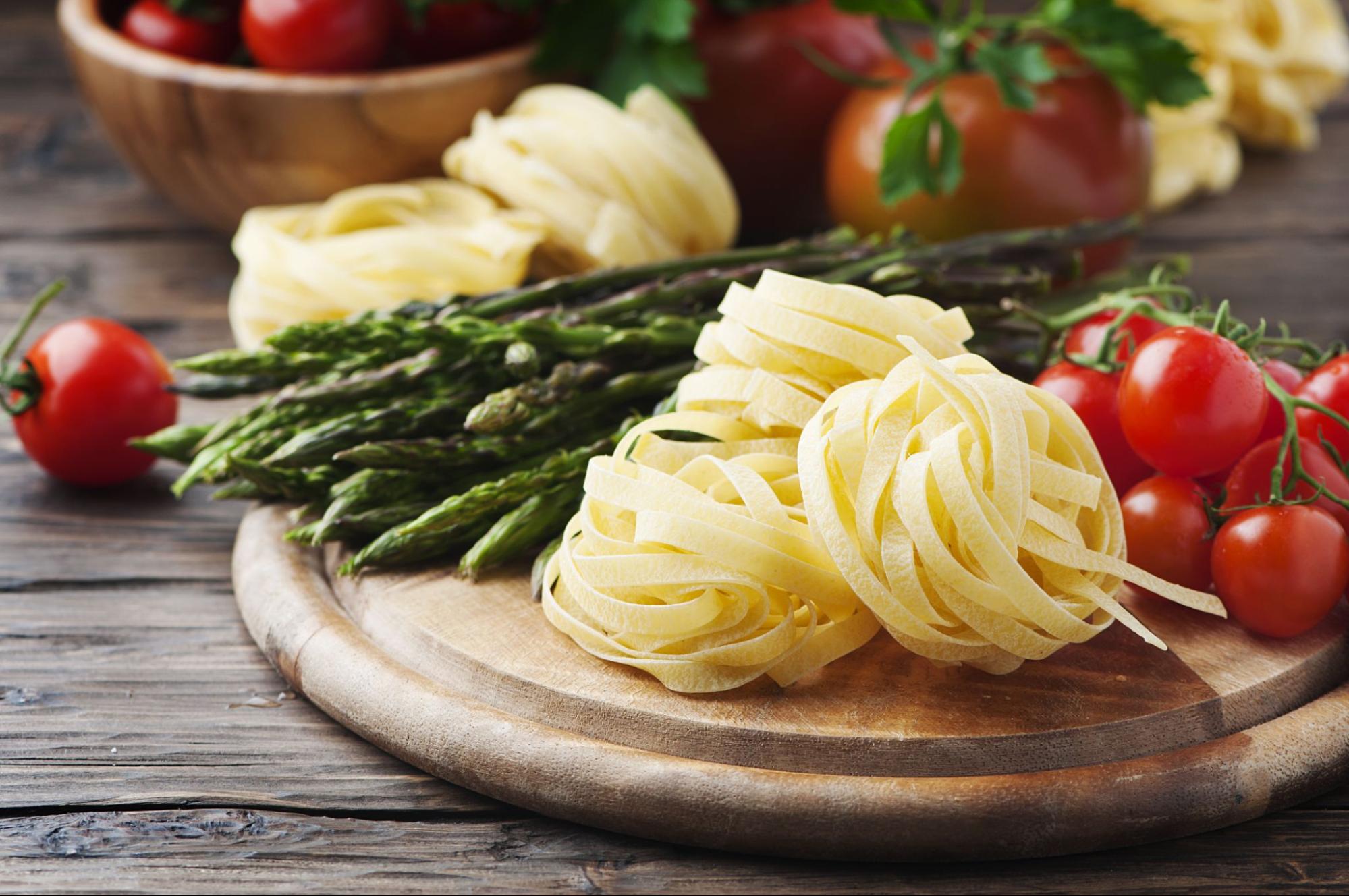
Wild asparagus signals the start of spring in Istria’s kitchens
Spring in Istria is defined by movement and fresh growth. Wild asparagus starts appearing on menus and in local kitchens, markets shift toward lighter produce, and inland villages slowly wake up after winter. Days are mild, mornings are crisp, and the landscape turns intensely green.
This is one of the best times of year to be outdoors. Coastal promenades are made for long walks, while inland roads and trails are ideal for cycling and hiking without heat or crowds. The Parenzana trail, the former narrow-gauge railway that once connected Trieste and Poreč, is especially rewarding in spring. Riding through tunnels, across stone viaducts, and past vineyards and small hill towns feels unhurried and immersive, offering a side of Istria that’s easy to miss in summer.
Spring suits travellers who like to stay active without planning every detail. Days naturally fill with movement, good food, and small discoveries, and everything feels lighter, from the pace of travel to the rhythm of everyday life.
Summer in Istria
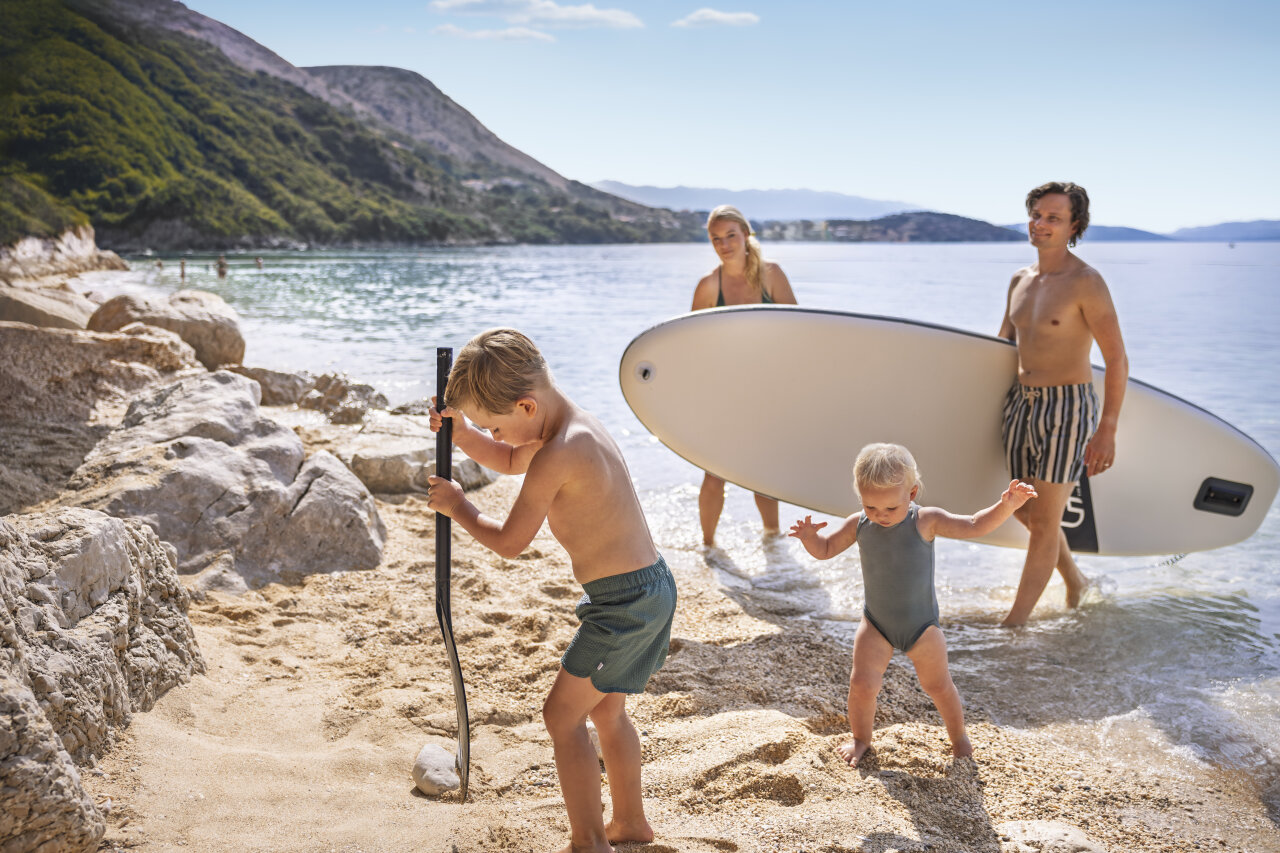
Easy beach days in Istria’s best seasons
Summer is when Istria feels most alive; the days are long, the sea is warm, and coastal towns settle into that familiar Mediterranean rhythm of swimming, late dinners, and evening strolls by the water. If your idea of a perfect holiday includes beaches, boat trips, and a lively atmosphere, this is the time of year that usually delivers.
July and August are unmistakably peak season. The sea is warm enough for long swims, boats are constantly moving between islands and coves, and coastal towns like Poreč and Pula feel busy from morning until late at night. Restaurants work at full capacity, events run almost every evening, and parking near the centre becomes something you plan around, not improvise.
June and early September still feel like summer, but with more breathing room. The sea is warm, the weather is reliable, and daily routines feel less compressed. You can take your time in the morning, linger longer by the water, and enjoy evenings that feel unhurried. For many travellers, this balance is what quietly makes early and late summer the best time to visit Istria.
Summer is the ideal time to visit Istria if you want your days to be shaped by swimming and outdoor activities, and your evenings to be filled with food, movement, and atmosphere rather than schedules.
Autumn in Istria
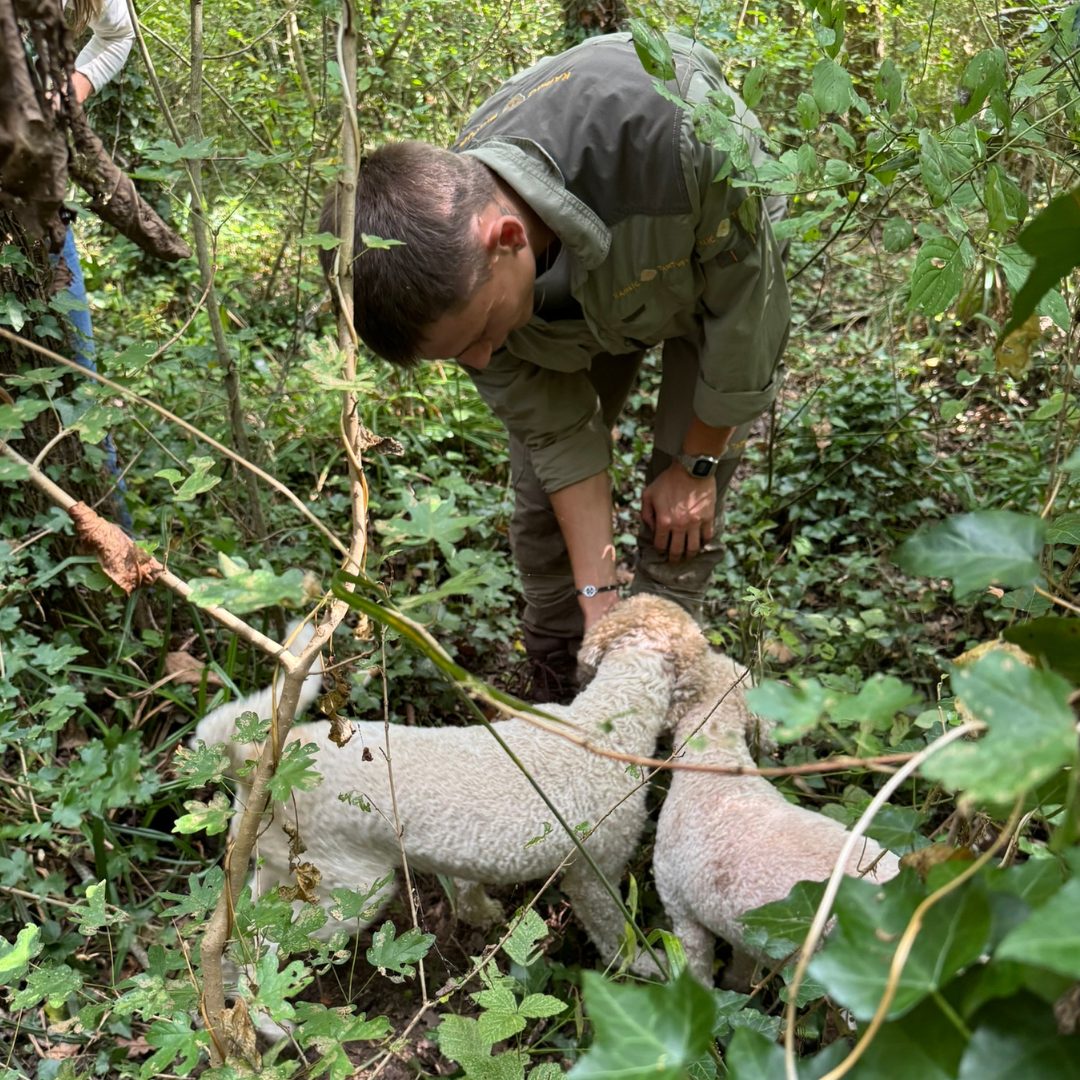
Experience truffle hunting in inland Istria, guided by trained dogs and local expertise
Autumn is when Istria becomes more inward-looking. The sea remains warm into September, and often October, but the focus gradually shifts away from the coast. Inland Istria takes centre stage as harvest season begins, bringing olive oil tastings, wine harvests, and olive picking into daily life. It’s a time when visits to small producers feel especially natural, and meals stretch longer into the evening.
Fresh olive oil defines the season, from tastings at local mills to simple dishes finished with the year’s first press. Truffles begin to appear, konobas lean into seasonal cooking, and villages feel lived-in rather than curated. The landscape turns softer and warmer in colour, and days remain active without feeling rushed.
Autumn is ideal for travellers who value food, tradition, and a slower pace. It’s a season shaped less by events and more by rhythm, where experiences feel rooted in place and the days unfold naturally rather than being planned around peak-season energy.
Winter in Istria
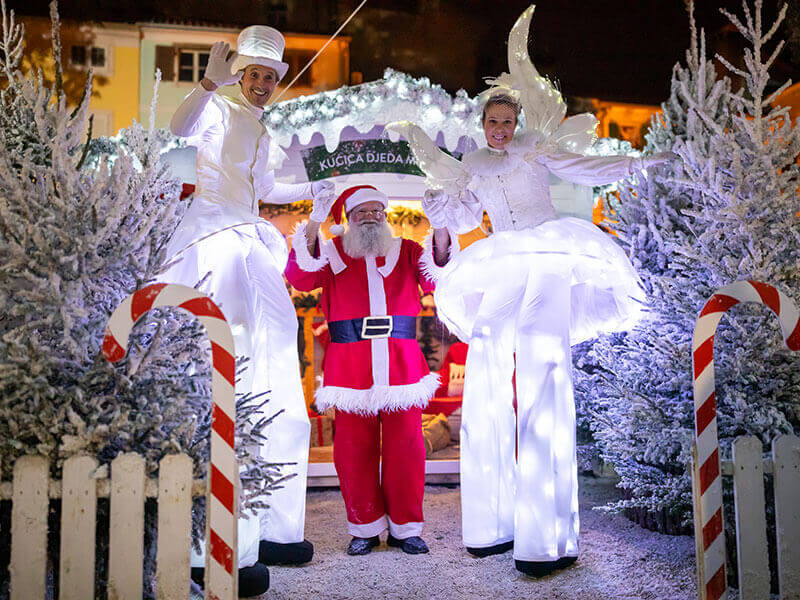
Festive winter evenings in Poreč
Winter in Istria is calm, understated, and very different from the image most people have of the region. The coast slows down, days are shorter, and the focus shifts away from beaches toward food, walks, and time spent indoors. It’s not a season for ticking off sights, but for settling into a gentler rhythm.
December is one of the liveliest times to experience Istria, thanks to Advent events held across the region. Poreč brings a festive, seaside atmosphere to its historic old town, with concerts, food stalls, and a busy programme of winter events. Pula adds a different energy, combining Advent celebrations with its dramatic Roman landmarks and a more urban winter vibe. For something quieter and more atmospheric, Motovun offers a fairytale setting of stone streets, hilltop views, and small-scale Advent events that feel intimate and local.
After days spent exploring Christmas markets and winter festivities, wellness becomes the natural counterbalance – hotel spas, indoor pools, and relaxed wellness areas offer an ideal way to slow down, warm up, and unwind during Istria’s colder winter days.
Winter isn’t about doing more in Istria. It’s about doing less, more deliberately. If you’re comfortable with quieter days and a slower rhythm, this is when the region shows a different, more grounded side of itself.
Visiting Istria Year-Round
Istria works year-round, but the experience changes significantly outside peak summer. As the seasons shift, so do expectations, and that’s where where you stay starts to matter more than the calendar itself.
This is where year-round, high-end accommodation makes a real difference. A thoughtfully designed 5-star resort in Istria gives you more flexibility outside peak summer, letting you enjoy the region at a slower pace and in changing conditions. Pical Resort, which stays open throughout the year, is built with this in mind, making Istria just as comfortable and rewarding to experience beyond the beach season.
When you’re thinking about the best time to visit Istria, it’s worth considering not just when you go, but how you experience it. With the right place to stay, Istria doesn’t really have an off-season – just different ways of enjoying it.


